

We’re pleased to bring to you our 2020/2021 Annual Members’ Report. It’s full of great stories about our work and aspirations, including about Aarnja’s Local Leadership Youth (ALLY) Program and the great projects we’ve sponsored. Please click the picture above or the link here to open it.
West Kimberley Women in Business Opportunity
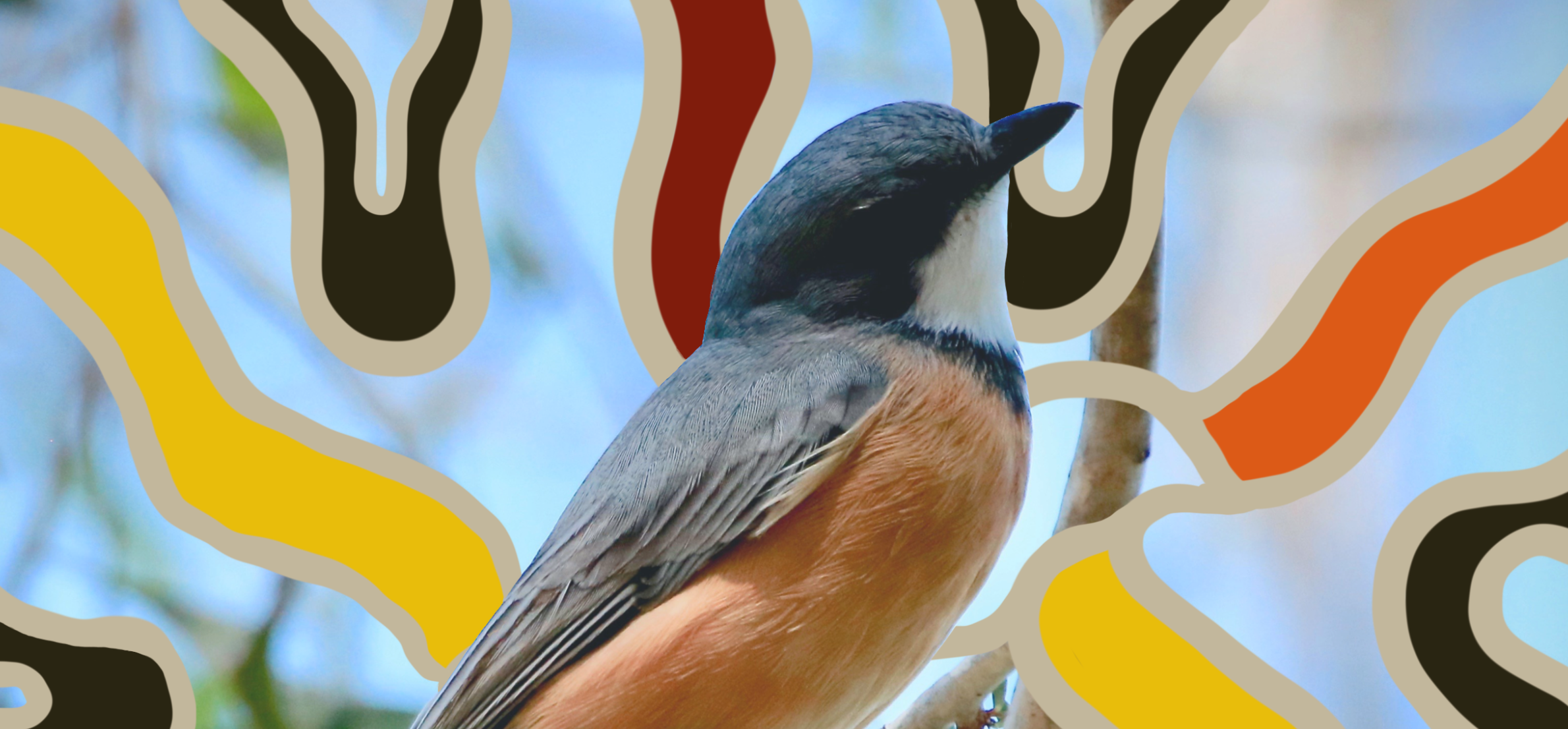
Kimberley Jiyigas (birds), supported by Indigenous Business Australia (IBA), will host a two day West Kimberley Aboriginal Leaders and Womens in Business Forum (WK ALWIB Forum). This ‘Wiyi in Business’ event follows on from the inaugural women’s forum at Caroline Pool, Halls Creek, and seeks to identify and support Aboriginal women in business and leadership. The WK ALWIB forum is open to Aboriginal women leaders and business owners, particularly Aboriginal women living in the West Kimberley.
The event will be held at Yiramalay College, on Bunuba Country, West Kimberley. This is a beautiful location and fully equipped for a women’s forum. All food and transport to the location will be provided for successful applicants. Participants will be required to share a room and will only need to bring their own personal items.
The agenda of the forum will focus on leadership and business conversations, and include storytelling, self-care and networking opportunities for Aboriginal women. This initiative provides an opportunity for local women to gather together and support the business and leadership aspirations of our community.
For the full expression of interest form please click here.
Aarnja Annual Report 2019/2020

It’s been a huge twelve months for Aarnja! You can catch up on all the year’s news in our latest Annual Members’ Report here.
Aarnja Christmas Closure
Kimberley Aboriginal Children in Care Gaps Report 2015

There is an over-representation of Aboriginal children in State care and this poses a real threat to the identity and culture of those children, as well as impacts on the family and community of those children. In Western Australia, Aboriginal children represent close to 50% of all children in care, despite accounting for only 5% of children and young people across Western Australia. Of Aboriginal children in care, 71% of Aboriginal children in care are placed with Aboriginal carers. While rates of out-of-home care have continued to rise, the increase is significantly higher for Aboriginal than non-Aboriginal children. Out-of-home care is when a child is removed from the care of their parents and placed with relative carers or foster carers. From 2003 until 2013, the Aboriginal and Torres Strait Islander placement rate has more than doubled. In addition, the number of Aboriginal children in care is increasing at a higher rate in regional areas than metropolitan. There is a serious and real risk that the placement of these Aboriginal children with non-Aboriginal families will result in the disconnection of Aboriginal children from family and culture. For references and the full report please click here.